Peru: A Country That Asks You to Slow Down
For Edmontonians used to big skies and long drives, this South American country feels surprisingly familiar - and rewards anyone willing to take it at an unhurried pace
There is a particular kind of traveller who keeps coming back from Peru with the same look on their face. It is not quite excitement and not quite exhaustion, but something in between, the expression of someone who has spent two weeks adjusting to a country built on a much larger scale than they expected. Peru does that to people. The distances are long, the elevations are dizzying, and the gap between the coast, the mountains and the rainforest is so wide that it can feel like visiting three countries in one trip.
For anyone here in Edmonton weighing where to go next, Peru lands in an interesting spot. The flights are not short, and there is no pretending otherwise, but the country offers the sort of variety that a single destination rarely manages. You can stand on a desert coastline in the morning and be wrapped in mountain cloud by evening. The trick, as most returning travellers will tell you, is to resist the urge to see everything at once.
Lima is worth more than a layover
Most trips begin in Lima, and a lot of visitors treat the capital as a place to get through rather than a place to stay. That is a mistake. Lima sits on a cliff above the Pacific, and its neighbourhoods range from the colonial centre, with its painted balconies and broad plazas, to the seaside districts of Miraflores and Barranco, where the food scene has quietly become one of the best on the continent. A couple of days here, easing into the time difference and the altitude that waits inland, is time well spent.
Because the country covers so much ground, many first-time visitors look at organised Peru tours packages that stitch the main regions into one sensible route, simply to take the guesswork out of the internal flights and the long bus legs. That is a fair way to start, though plenty of people travel the country independently without much trouble. Domestic flights connect the major hubs, the long-distance buses are comfortable and frequent, and the trains into the highlands are an experience in their own right.
The highlands take some getting used to
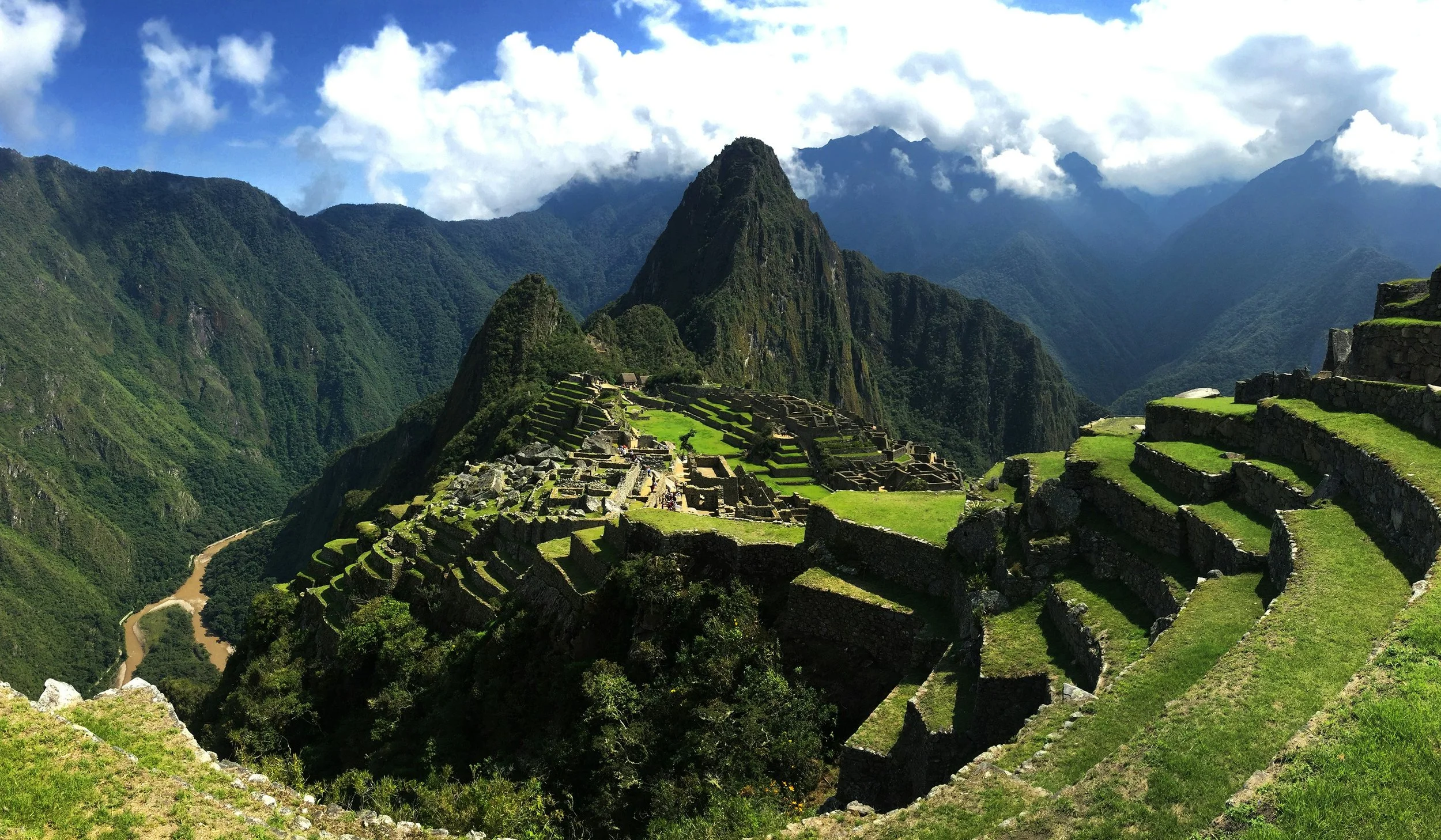
Cusco is where most people feel the altitude for the first time. The old Inca capital sits at roughly 3,400 metres, which is high enough that the first day or two can leave you short of breath and reaching for water. Locals swear by coca tea, and there is no shame in spending the first afternoon doing very little. The city itself rewards the slow approach anyway, with its stone streets, its blend of Inca foundations and Spanish churches, and markets that have run on the same rhythms for centuries.
From Cusco, the Sacred Valley unfolds in a series of small towns, terraced hillsides and ruins that see far fewer crowds than the headline sights. It is also a gentler place to acclimatise, sitting a little lower than the city. Spending a few nights out here before tackling anything strenuous is the kind of advice that sounds cautious and turns out to be sensible.
Machu Picchu, and the long way to reach it
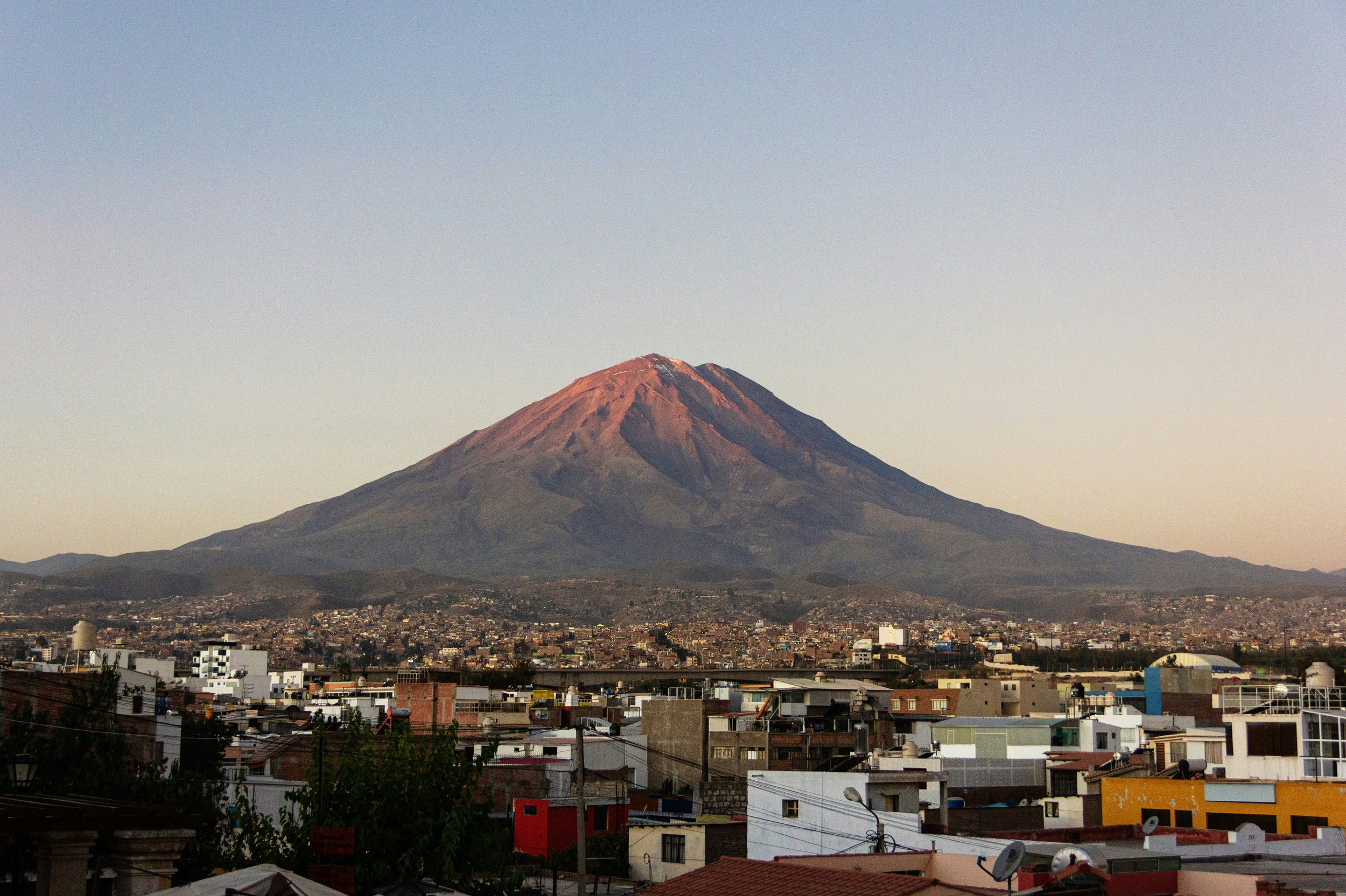
The ruins of Machu Picchu need little introduction, and the reality of standing among them holds up to the photographs in a way that few famous places do. What surprises people is the journey. There is no road to the site; you reach it by train through a river gorge, or on foot along the Inca Trail, a multi-day trek that needs to be booked well ahead because permits are limited. Either way, the arrival feels earned, and the early-morning light before the day-trippers arrive is the version most people hope for.
It is worth remembering that Machu Picchu is one site among many. The country is dense with Inca and pre-Inca history, from the enormous fortress walls above Cusco to the lines etched across the Nazca desert. Pinning a whole trip to a single ruin sells the rest of the country short.
Beyond the mountains
Travellers who keep going find that Peru opens up further. To the south, the city of Arequipa sits beneath a ring of volcanoes, and the nearby Colca Canyon is among the deepest in the world, a place where condors ride the thermals at eye level. Lake Titicaca, shared with Bolivia, is the highest navigable lake on the planet, dotted with islands where communities still live much as they have for generations.
Then there is the Amazon. A large share of Peru is rainforest, reached from towns such as Iquitos or Puerto Maldonado, and a few days on a river there is a different trip entirely - humid, green and full of life, a long way in feel from the thin air of the Andes. It is the part of the country most visitors skip for lack of time, and the part many wish they had made room for.
Eating your way through the country
Food is one of the genuine pleasures of a Peruvian trip, and it shifts as you travel. On the coast it is all about ceviche, fish cured in lime and chili and served startlingly fresh. In the highlands the cooking turns heartier, built on potatoes - of which Peru grows thousands of varieties - alongside corn, quinoa and slow-cooked meats. The markets are a fine place to try fruits you will not have seen before. Lima in particular has become a destination for diners, though some of the best meals come from small family-run spots well off the tourist track.
When to go and how to pace it
The dry season, running roughly from May to September, is the most reliable window for the highlands and the trek routes, though it overlaps with the busiest months. The shoulder periods on either side bring fewer crowds and a reasonable chance of clear weather. The coast and the Amazon follow their own patterns, so the right timing depends on where you plan to spend most of your days.
If there is one thread that runs through every account of a good trip here, it is patience. Altitude rewards those who ease into it, distances reward those who do not try to cover them all, and the country as a whole rewards travellers who give it a little more time than the brochure suggests. Peru is not a place to rush, and the people who slow down are usually the ones who come home wanting to return.